Mid-Ohio Valley weather is not kind to cheap materials. A vinyl banner that looks sharp in September can be faded, cracked, and weathered by March. A vehicle wrap applied with the wrong laminate will bubble and lift before it’s paid for itself. A job site sign printed on corrugated plastic will survive a spring storm — or it won’t, depending on the substrate thickness and how it’s mounted.
Choosing the right material for a large-format print project isn’t just a quality question. It’s a cost question. The cheapest material for a given application is almost never the one that lasts — and the most expensive isn’t always necessary. What matters is matching the material to the environment, the timeline, and the expected lifespan of the application.
Here’s a practical guide to the five large-format printing materials we use most often at Signality Graphics, what each one is built for, and how to think about which one belongs on your next project.
Durability Over Dollars
The right material isn’t the most expensive one. It’s the one that holds up to everything you’re going to put it through.
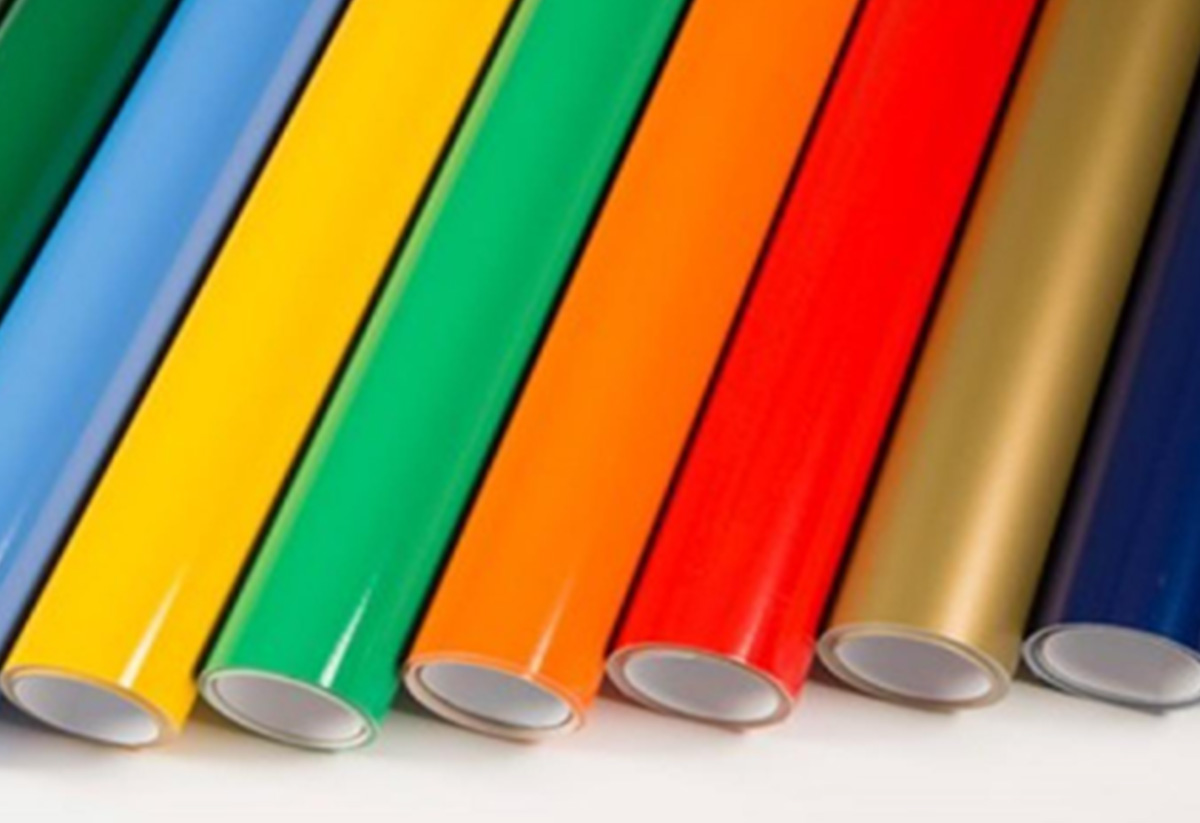
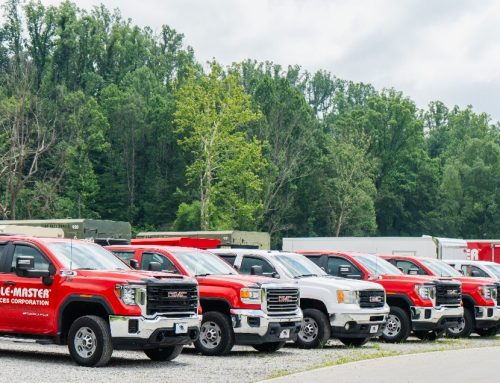
01. Cast vinyl — the vehicle wrap standard
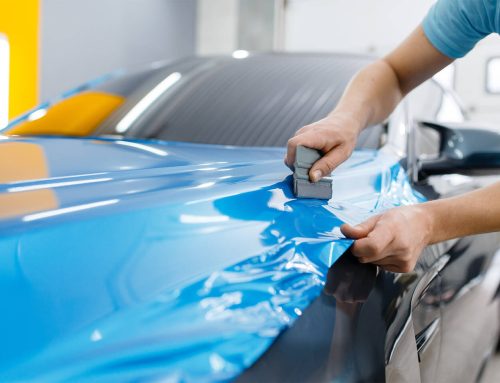
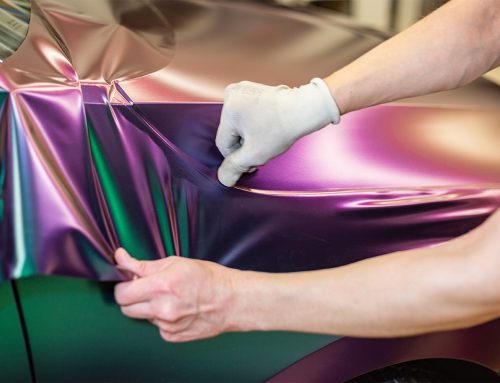
Cast vinyl is the professional standard for vehicle wraps, and for good reason. Unlike calendered vinyl — which is extruded under pressure and tends to shrink over time — cast vinyl is poured as a liquid and allowed to set, which gives it dimensional stability that holds up across the contours and curves of a vehicle surface.
For Mid-Ohio Valley conditions, this matters. Cast vinyl tolerates temperature swings from subzero winters to summer heat without the lifting, bubbling, or edge peeling that shorter-lived materials develop. A properly installed cast vinyl vehicle wrap has a realistic service life of five to seven years under normal use.
Cast vinyl is also the right material for building graphics and large flat surfaces where conformability matters — anywhere the print needs to follow a surface rather than just cover it.
When to use it: vehicle wraps, fleet graphics, building façade graphics, any outdoor application where longevity and conformability are the priority.
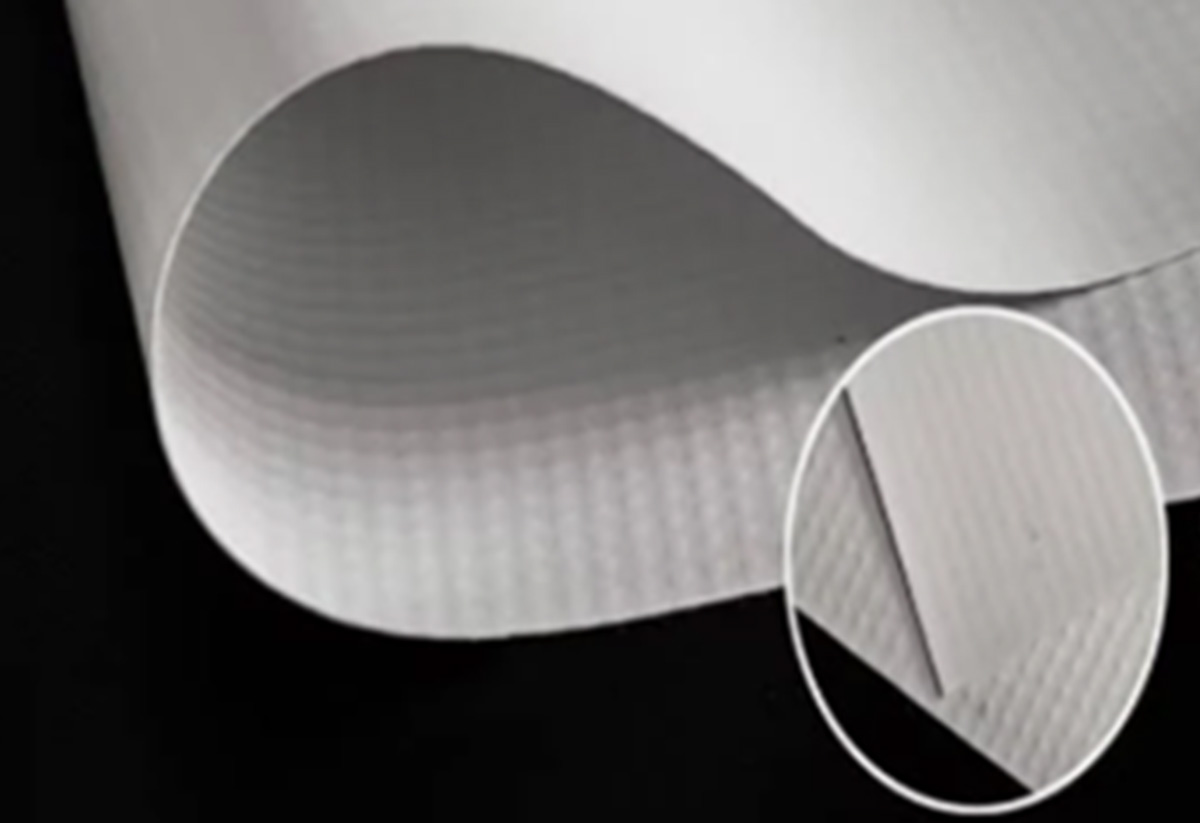
02. Scrim banner vinyl (Canvas) – the workhorse outdoor material
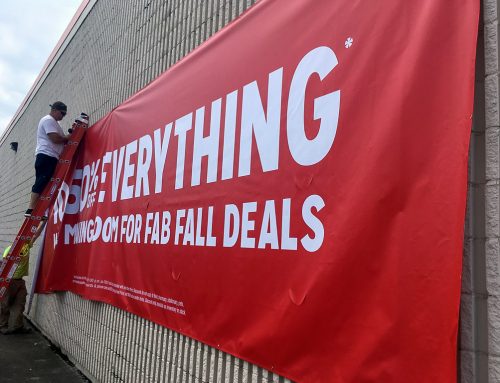
Scrim banner vinyl is the material most people picture when they think of an outdoor banner. It’s a woven polyester mesh sandwiched between two layers of PVC — the scrim structure is what gives it tensile strength and resistance to tearing under wind load.
For outdoor applications in the Mid-Ohio Valley — where wind, rain, and temperature variation are facts of life — scrim banner is reliable and cost-effective for seasonal and short-to-medium-term applications. Grand Format event banners, job site project banners, and building display banners are all typical applications.
For permanent or extended outdoor use, scrim banner has limitations: the PVC layers will fade and become brittle over several years of UV exposure, particularly on south-facing surfaces. For applications intended to last longer than a season or two, a more UV-stable material is worth the incremental cost.
When to use it: event banners, trade show displays, job site banners, seasonal exterior applications, anywhere the material will be stored when not in use.
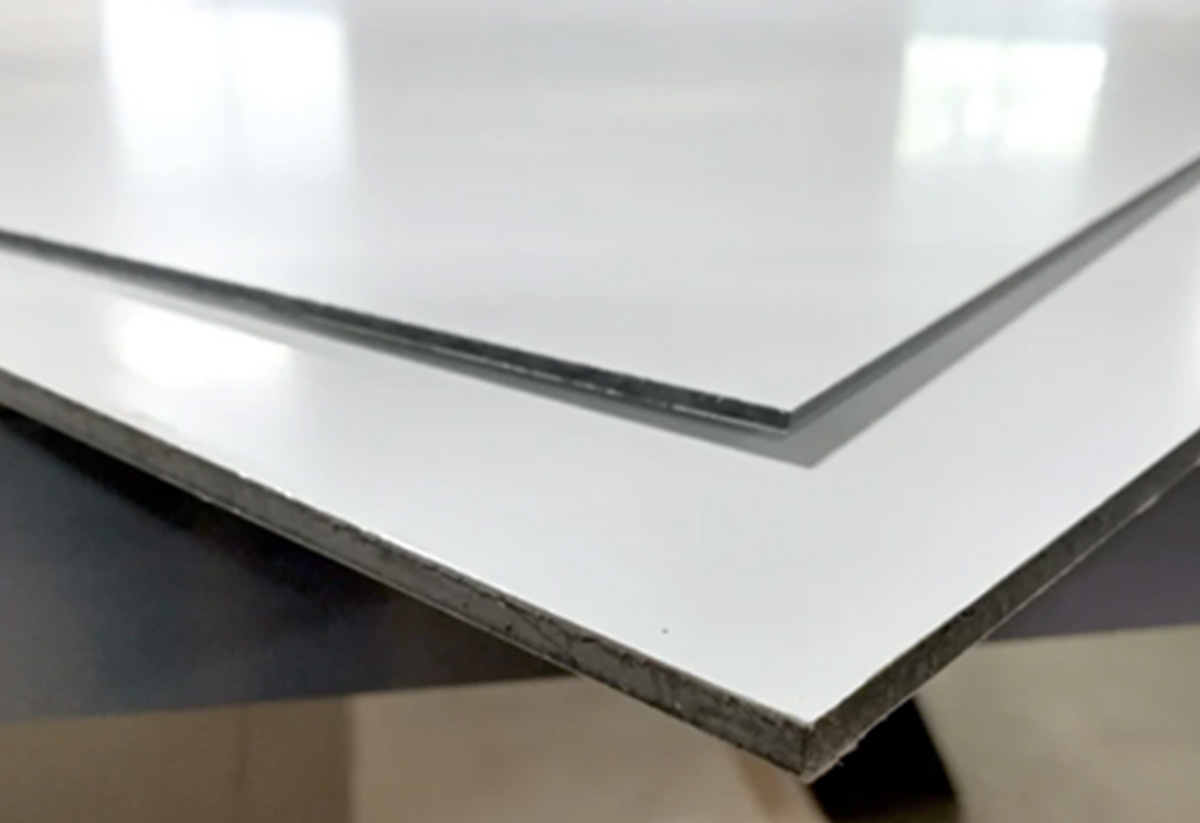
03. Aluminum composite (ACM) – the permanent exterior sign
Aluminum composite material — two thin aluminum sheets bonded to a polyethylene core — is the go-to substrate for permanent exterior signs. It’s rigid, dimensionally stable, weather-resistant, and holds printed graphics without the warping or moisture absorption that affects wood and foam board substrates.
For Mid-Ohio Valley businesses that need a sign to last ten years and look professional doing it, ACM is the correct choice. It’s the material behind most professional real estate signs, building identification signage, and high-end directional signage. It can be edge-finished and mounted in a variety of configurations, from simple post mounts to wall-mounted cabinet builds.
Thickness matters for ACM applications: 3mm is standard for flat wall-mounted panels, while 6mm is more appropriate for freestanding signs that need to resist flex in wind load.
When to use it: permanent exterior building signs, site identification, real estate development signage, any application where the sign is expected to outlast the business’s current branding.
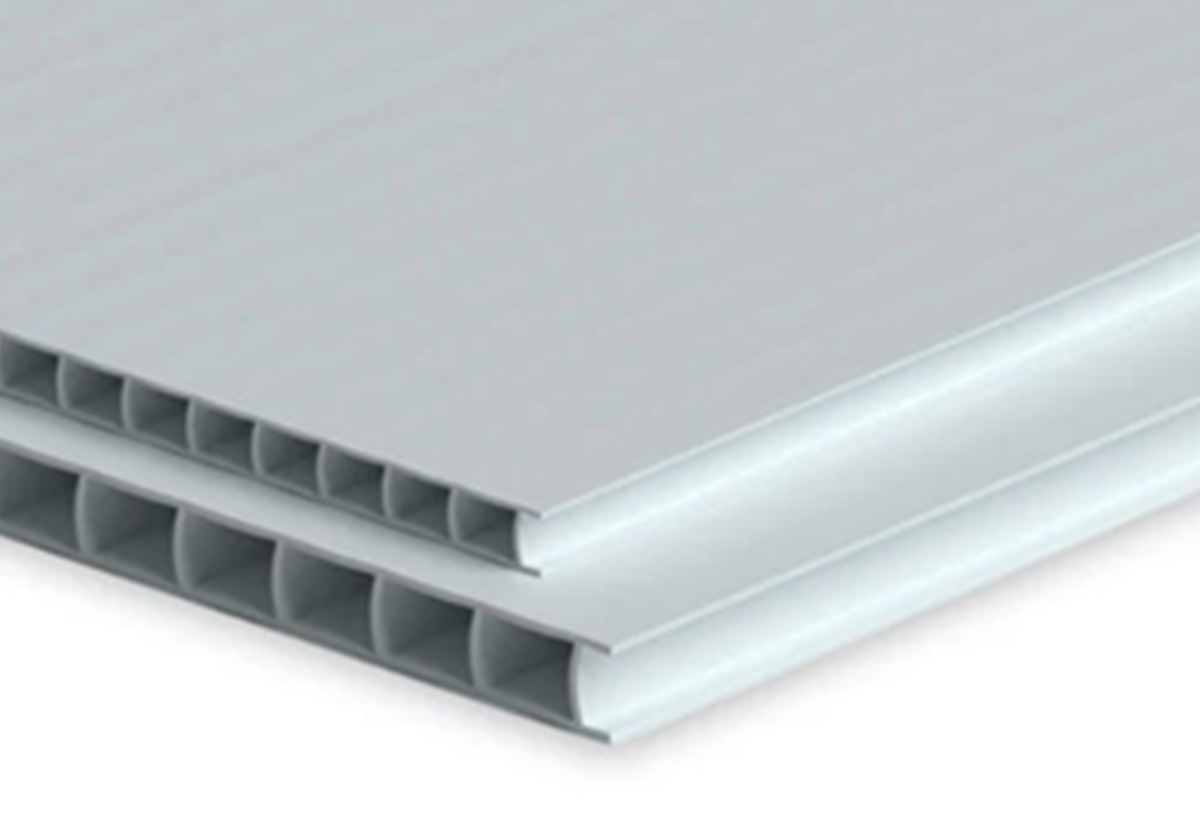
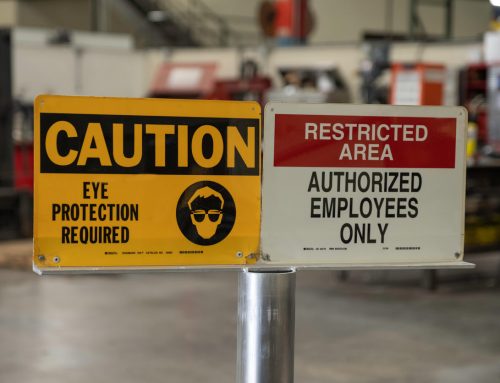
04. Corrugated plastic (Coroplast) – job sites and short-term outdoor use
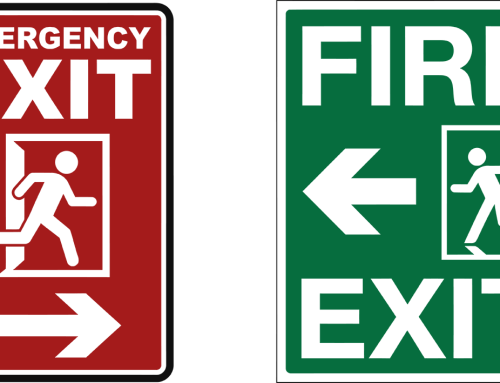
Corrugated plastic — sold under the brand name Coroplast and commonly known as corex — is the most economical rigid substrate for short-term outdoor applications. It’s lightweight, weather-resistant, takes print well, and survives the handling and repositioning that comes with job site use.
It is not, however, a permanent material. UV exposure will chalk and yellow the surface over time, and the printed graphic will fade faster than it would on a more UV-stable substrate. For job site identification signs, yard signs, and directional arrow sets that will be used for a season and replaced, that’s perfectly acceptable. For a sign intended to represent a business for more than a year, it’s the wrong choice.
Thickness for outdoor coroplast is a meaningful consideration. 4mm is standard for yard signs and short-run event signage. 8mm is more appropriate for job site signs and any application where the material will be handled repeatedly or exposed to sustained wind.
When to use it: yard signs, job site ID signs, directional arrows, event signage, contractor marking signs, any application with a defined short lifespan.
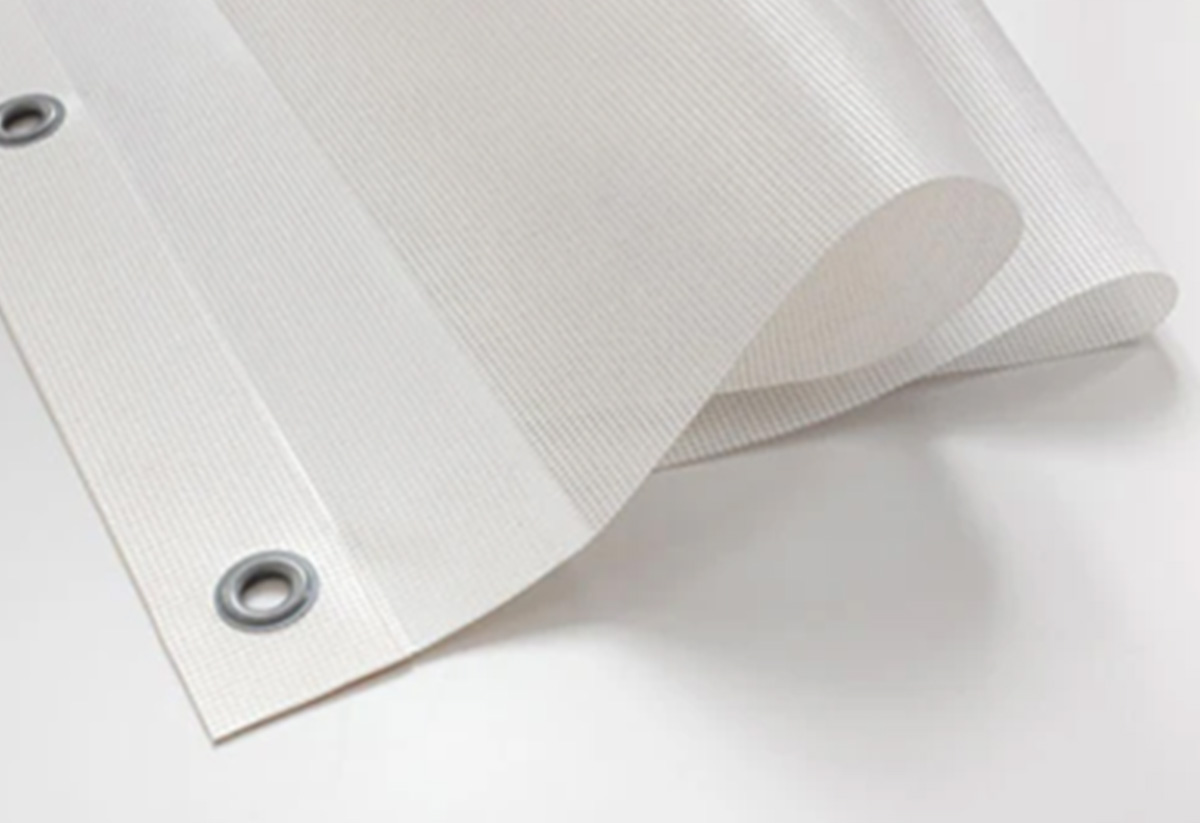
05. Mesh banner vinyl – high-wind outdoor applications and building wraps
Mesh banner vinyl is a perforated PVC material engineered specifically for outdoor installations where wind load is the primary concern. Unlike solid scrim banner vinyl, mesh is woven with small, evenly spaced holes — typically a 70/30 ratio of vinyl to open area — that allow air to pass through the banner rather than push against it. The result is dramatically reduced stress on mounting points, far lower risk of tearing in high-wind conditions, and a material that outlasts solid vinyl in exposed outdoor environments.
For Mid-Ohio Valley applications, mesh is the right call anywhere a banner will be attached to chain-link fencing, construction scaffolding, building facades, or other exposed structures where weather and wind are ongoing variables. Construction site fence wraps, building wraps during renovation, sports field perimeter signage, and large outdoor event displays are all situations where solid vinyl would fail or require wind slits — and where mesh performs without modification. Estimated lifespan in outdoor conditions is three or more years when properly installed and maintained.
The tradeoff is print appearance. Because 30% of the surface is open, colors read slightly less saturated than on solid vinyl — a meaningful consideration for designs that depend on deep, rich color or fine detail. For bold graphics, large text, and high-contrast designs, mesh prints cleanly and reads well from a distance. For applications requiring photorealistic output or precise color matching, solid scrim or ACM are better choices.
When to use it: construction fence wraps, building and scaffold wraps, outdoor event perimeter signage, sports field banners, any large-format outdoor installation where wind resistance matters more than maximum color saturation.
The practical takeaway
Most large-format print projects have one correct answer when it comes to material selection — it’s determined by the environment the print will live in, how long it needs to last, and what it needs to survive. Getting that answer right before the project goes to production saves money and frustration.
At Signality Graphics, material selection is part of every conversation we have with clients before a project goes to print. We’re not going to let you order a banner material for an application that needs an ACM sign. That’s not in anyone’s interest.
If you have a project in mind and you’re not sure what material it calls for, call us at 740.371.5100 or start a quote request at signalitygraphics.com. We’ll tell you exactly what you need — and why.